


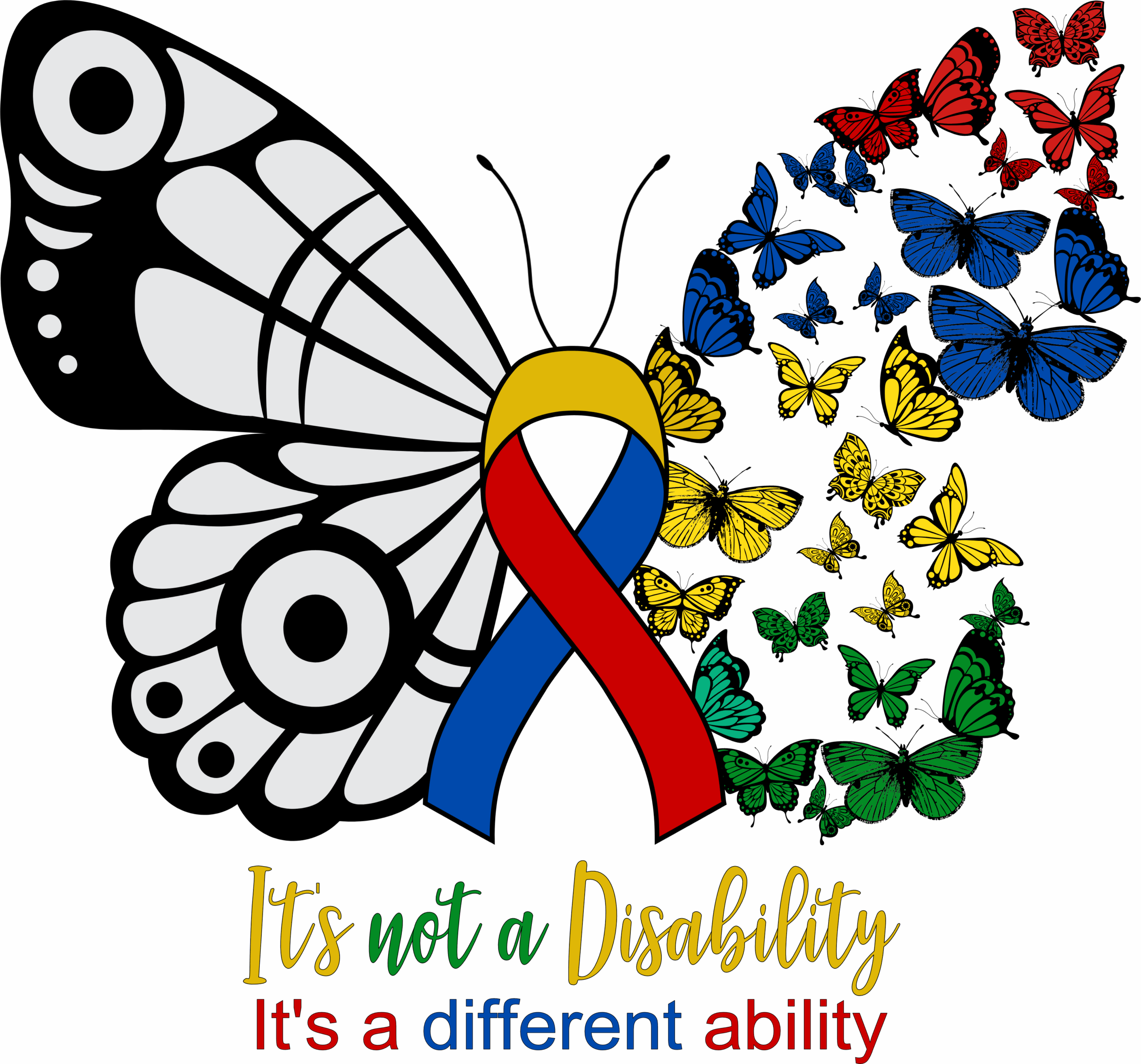
Disability Awareness Month: Supporting Students With Disabilities in Homeschool
July marks Disability Awareness Month — a celebration of disabled identity and culture and the 1990 passage of the Americans with Disabilities Act. It’s a timely opportunity to spotlight the strengths of students with disabilities and refine teaching practices that let every learner thrive.
Celebrating Disability Awareness in the Classroom — and Beyond
Disability Awareness Month offers rich material for history, social studies, and language arts. Traditional school settings and homeschool curricula can benefit from activities such as:
- Reading memoirs by authors with disabilities, such as Demystifying Disability by Emily Ladau
- Investigating key civil rights milestones, including the Capitol Crawl protest of 1990
- Creating art projects that reinterpret the universal access symbol, showcasing students’ personal take on disability pride
These activities reinforce a positive self-image while educating nondisabled peers or siblings about inclusion.
Why Homeschooling Can Be a Game Changer
Public schools often rely on rigid schedules, crowded classrooms, and one-size-fits-all curricula. Homeschooling flips that model on its head, giving parents unmatched flexibility to:
- Honor individual learning rhythms: Lessons can be paused, repeated, or delivered in short bursts to match each student’s energy levels.
- Customize accommodations instantly: Adaptive technology, sensory breaks, and specialized materials don’t require district approval.
- Center the student’s voice: Learners can help design projects tied to their interests, building confidence and ownership.
The result is a learning environment where disability is not a barrier but a natural part of a student’s identity.
Building an Inclusive Homeschool Curriculum
Inclusive homeschooling starts with Universal Design for Learning — an approach that offers multiple ways to access information, engage with material, and demonstrate mastery. Consider the following strategies:
- Multisensory instruction: Pair spoken directions with visuals, tactile objects, and movement to reinforce key concepts.
- Assistive technology: Use text-to-speech software, switch-activated devices, and closed-captioned videos to help remove access hurdles.
- Attainable microgoals: Break tasks into small, measurable steps to keep momentum high and frustration low.
- Flexible assessment: Allow projects, oral presentations, or video demonstrations instead of traditional tests.
A curriculum built on flexibility ensures that support tools are baked in rather than tacked on.
Socialization Without Compromise
A common misconception is that homeschooling limits social opportunities. In reality, homeschool networks, local libraries, and community centers often host inclusive clubs and field trips. During Disability Awareness Month, look for:
- Sensory-friendly museum hours
- Adaptive sports clinics
- Virtual meetups led by mentors with disabilities
Activities such as these encourage students to practice self-advocacy and build friendships in safe, supportive spaces.
Empowering Self-Advocacy and Independence
Teaching children to articulate their needs sets the stage for lifelong autonomy. Try these tactics:
- Model clear communication: Describe your own accommodations — “I’m closing the blinds because bright light distracts me” — to normalize self-advocacy.
- Use choice boards: Let students pick between reading aloud, using an audiobook, or following along silently.
- Celebrate small wins: Acknowledge moments when the student requests a break or successfully uses adaptive tech. Positive reinforcement cements the habit.
By weaving self-advocacy into daily lessons, parents cultivate resilient learners who are ready for higher education, employment, and community life.
Navigating Legal and Funding Resources
Although homeschool laws vary by state, families of students with disabilities may still tap into public resources, including:
- Individuals with Disabilities Education Act services
- State-run virtual academies offering adaptive materials
- Educational savings accounts that cover therapies and assistive devices
Keeping thorough documentation — diagnoses, learning goals, progress notes — helps secure any services for which your child qualifies.
Homeschool Help That Puts Students First
Ready to craft a disability-affirming homeschool plan? The Dr. Annise Mabry Foundation is pleased to offer homeschool support that features one-on-one coaching, curriculum guidance, and a nationwide community of families committed to equity. See how we can help you and your child thrive today!
For students who need a flexible homeschool option, Tiers Free Academy provides personalized online instruction that honors every learner’s strengths, challenges, and dreams. Explore both programs to give your child an education that celebrates disability pride — this month and all year long.
The Dr. Annise Mabry Foundation is dedicated to improving our community by enhancing education opportunities, promoting synchrony between law enforcement and constituents, and encouraging community engagement. Our programs and initiatives include the Southwest GA Community Policing Resource Center and the Tiers Free Academy, a homeschool cooperative for students in grades 9-12 that provides an alternative diploma program for homeless LGBTQ+ youth, human trafficking survivors, youth aging out of foster care, youth aging out of the public school system, youth previously under the supervision of the Department of Juvenile Justice, and high school dropouts. To learn more about our offerings or support our work, consider subscribing to our newsletter or donating today!
No Comments
Sorry, the comment form is closed at this time.