


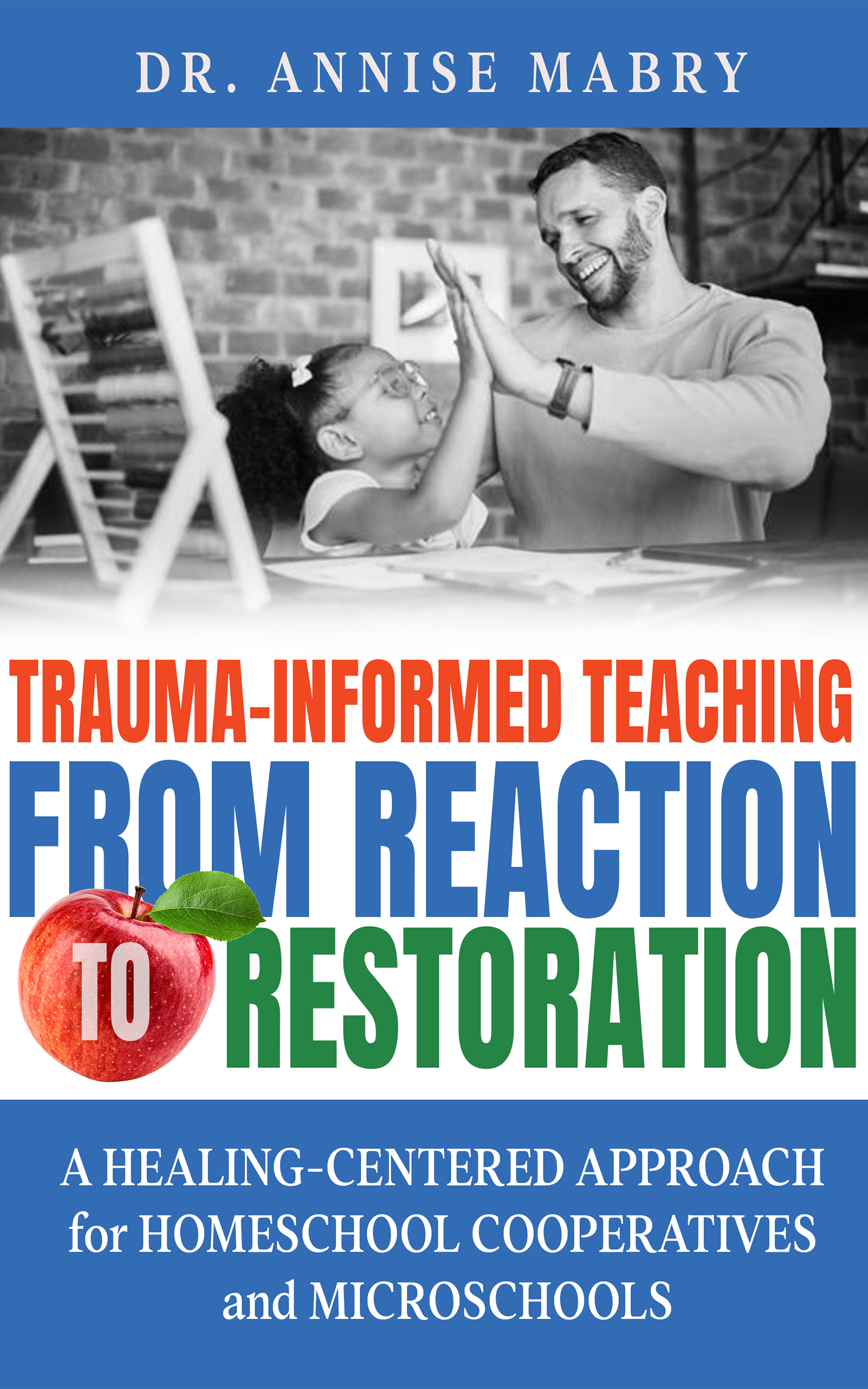
From Trauma to Triumph: How Education Can Be a Pathway to Healing
From Trauma to Triumph: How Education Can Be a Pathway to Healing
Every June, advocates, clinicians, and survivors observe PTSD Awareness Month, a dedicated time to pull back the curtain on a condition that affects millions of Americans each year. But awareness without action only goes so far. For parents, educators, and advocates who work with children and young adults every day, it’s essential to not only understand trauma but also know how to move through it.
Healing through education is one of the most powerful tools we have.
Why Trauma Doesn’t Stop at the School Door
Children don’t leave their hardest experiences on the doorstep before walking into a classroom. A student who has witnessed domestic violence, experienced abuse, or lost a caregiver carries that weight to every desk, every lesson, and every test. The Substance Abuse and Mental Health Services Administration (SAMHSA) reports that more than two-thirds of children experience at least one traumatic event by the age of 16.
Unaddressed, those experiences show up as behavioral disruptions, chronic absenteeism, difficulty concentrating, and fractured relationships with teachers and peers. Without the right support, the classroom can feel like one more unsafe place in a world that already feels overwhelming.
That’s exactly why trauma-informed education has moved from a fringe concept to an educational priority.
What Trauma-Informed Education Actually Looks Like
Trauma-informed education is a framework shift that prompts educators to consider what their students have been through and how to support them.
In practical terms, it means schools and educators commit to:
- Safety first: Classrooms are structured to feel predictable and physically safe, reducing the threat responses that trauma activates in the nervous system.
- Trustworthy relationships: Teachers and staff build consistent, warm connections with students. For many children, a reliable adult at school may be the most stable relationship they have.
- Choice and voice: Students are given meaningful agency in their learning, which rebuilds the sense of control that trauma so often strips away.
- Collaboration over punishment: Discipline becomes a teaching tool, not a shame spiral. Restorative practices replace zero-tolerance policies that disproportionately harm already-vulnerable kids.
Schools that adopt trauma-informed approaches often see meaningful gains, including improved attendance, fewer disciplinary referrals, and stronger academic outcomes.
The Intersection of Education and Mental Health
Education and mental health aren’t separate lanes. They are deeply, inextricably linked. The CDC reports that, in 2021, one in five US children between the ages of 3 and 17 had been diagnosed with a mental, behavioral, or developmental disorder at some time. Childhood trauma is a significant driver of many of those diagnoses.
When schools invest in mental health supports such as counselors, social workers, school psychologists, and community partnerships, they aren’t diverting resources from academics. They’re removing the barriers that prevent learning from happening at all.
PTSD Awareness Month is an ideal time for school communities to audit what supports exist and honestly ask: Are they enough? Are they equitable? Are they reaching the children who need them most?
Building Resilience in Learning: What the Research Says
Resilience in learning isn’t about telling children to toughen up. Research from Harvard’s Center on the Developing Child makes clear that resilience is built through consistent, supportive relationships and environments.
That means the adults in a child’s life matter enormously. A single caring, attuned teacher can serve as a buffer against adverse experiences. A school culture that normalizes conversations about mental health can dissolve the stigma that keeps struggling students silent. A parent who learns the language of trauma can show up differently at home.
What Parents and Advocates Can Do Right Now
You don’t need a graduate degree to support a child who has experienced trauma. You need presence, patience, and a willingness to learn.
Here’s what you can do to support healing through education:
- Ask your child’s school whether trauma-informed practices are part of their professional development.
- Advocate for more mental health staff and mental health training in public schools.
- Normalize conversations about feelings, stress, and hard experiences at home, without rushing to fix or minimize.
- Connect with organizations doing real, sustained work in this space.
Get Involved: The Dr. Annise Mabry Foundation
One organization turning these principles into action is The Dr. Annise Mabry Foundation. Rooted in a deep commitment to education, mental wellness, and community empowerment, the foundation works to close the gap between children who are struggling and the resources that can help them heal and thrive.
Whether you’re a parent looking for guidance, an educator seeking tools, or an advocate ready to amplify this work, The Dr. Annise Mabry Foundation offers a meaningful place to start. This PTSD Awareness Month, visit drannisemabry.com to learn how you can support a movement that believes no child’s future should be defined by their hardest days.
There’s a path forward from trauma. And education, when done with intention and heart, can light the way.
The Dr. Annise Mabry Foundation is dedicated to improving our community by enhancing education opportunities, promoting synchrony between law enforcement and constituents, and encouraging community engagement. To learn more about our offerings or to support our work, consider subscribing to our newsletter or donating today!
No Comments
Sorry, the comment form is closed at this time.