
The Connection Between Literacy and Mental Health in At-Risk Youth
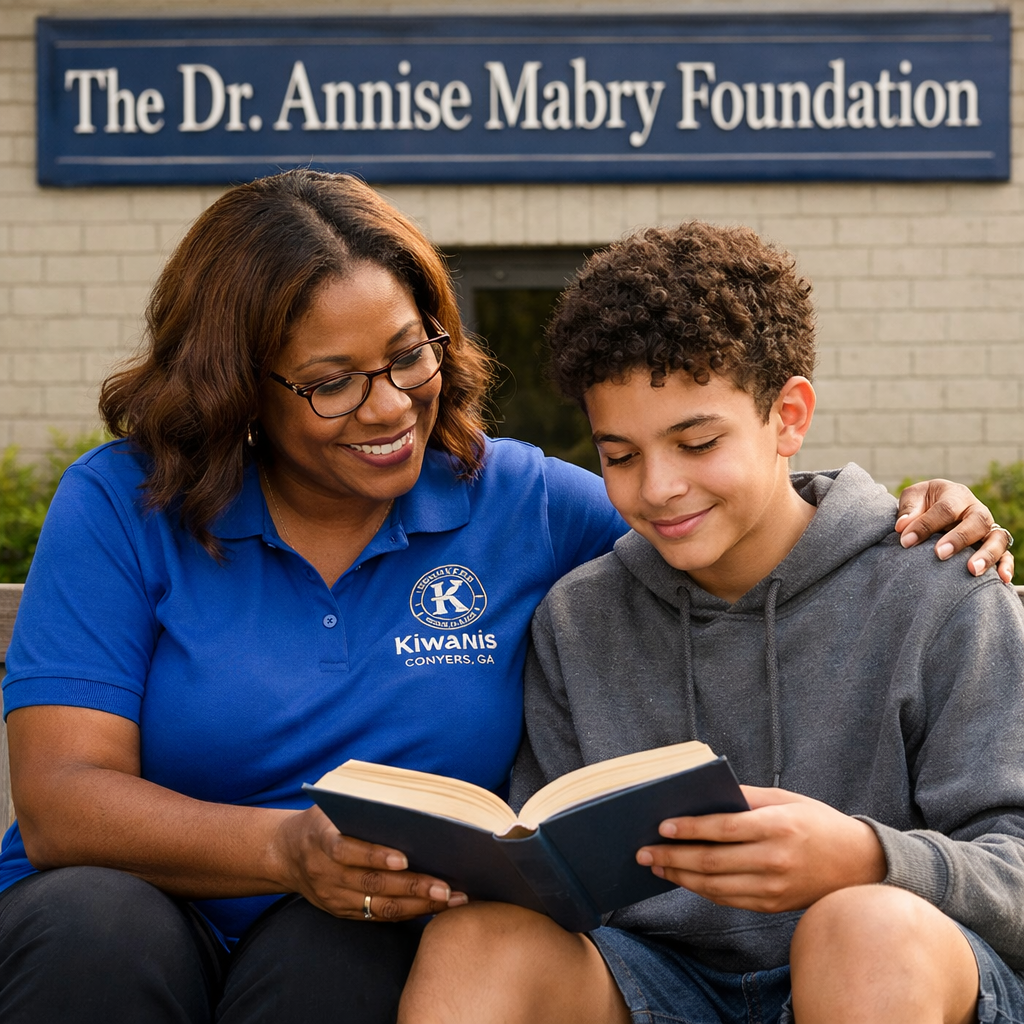
The Connection Between Literacy and Mental Health in At-Risk Youth The conversation around youth mental health often involves issues such as therapy waitlists, social media, bullying, or the stresses of growing up in our time. All of that matters. But there’s another driver that often goes unaddressed: literacy. For many at-risk youth — including students experiencing homelessness, foster care involvement, community violence, discrimination, or family instability — reading challenges are not just an academic problem. They can become a daily source of stress, shame, and isolation that spills into anxiety, depression, and behavioral struggles. The reverse is also true: Poor mental health can make it harder...

Breaking the Cycle of Poverty With Education: Why a Homeschool High School Diploma Holds More Value Than a GED
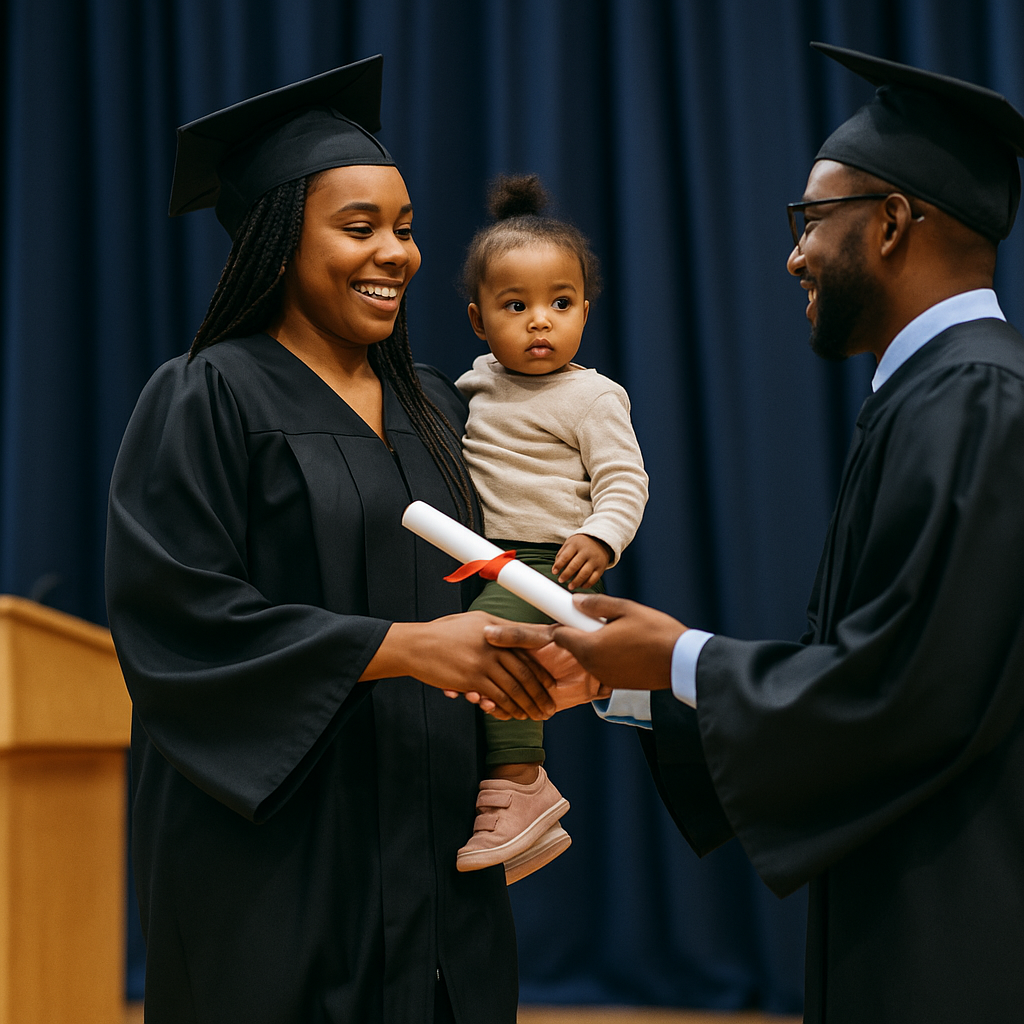
Poverty rarely stems from one setback. It’s often a pattern of limited opportunities, unstable income, and systemic barriers that reinforce one another. The good news is that finishing high school through a homeschool diploma program can open doors to better jobs, higher wages, and long-term stability in ways that a GED often cannot. In this article, we’ll take a closer look at how education interrupts the cycle of poverty and why a homeschool high school diploma is a more powerful tool for success compared to a GED. What Is the Cycle of Poverty? The cycle of poverty describes how economic hardship repeats across a lifetime and often...
National Nonprofit Day: The Importance of Nonprofits in Education
Every August 17th, National Nonprofit Day shines a spotlight on the organizations that fill gaps that government and business often leave unaddressed. Few areas demonstrate that value more clearly than education. From free tutoring hubs in church basements to global scholarship funds, nonprofits keep classrooms open, broaden access, and make learning more relevant to the communities they serve. Why Nonprofits Matter in the Education Ecosystem Nonprofits in the education space make a major difference due to: Sheer scale: The United States is home to over a million nonprofits, a sizable share of which focus on learning and youth development. Economic muscle: Charitable gifts provide essential support...
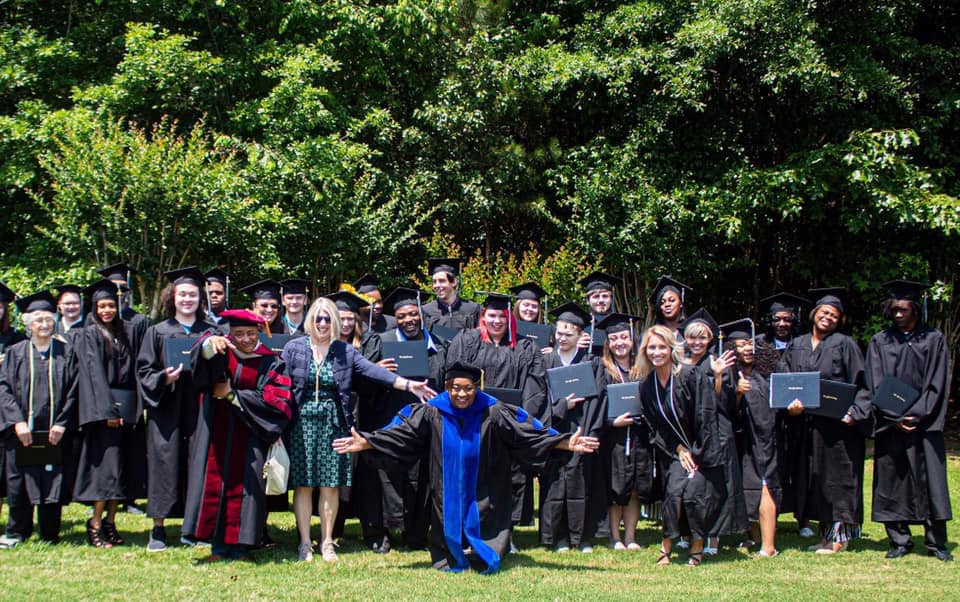
How to Start Homeschooling Legally in Georgia
How to Start Homeschooling Legally in Georgia Georgia keeps the path to homeschooling refreshingly straightforward, yet every family must follow a few non-negotiable rules. From filing your paperwork on time to saving year-end reports, this guide walks you through each legal requirement so you can teach with confidence and avoid unwanted surprises. Know the Essentials of Georgia’s Home Study Law Georgia recognizes home study as a distinct educational option and sets the ground rules in O.C.G.A. § 20-2-690. In brief, you must: Teach children between ages 6 and 16 (compulsory attendance window). Hold a high school diploma or GED to serve as the primary instructor. Deliver 180...
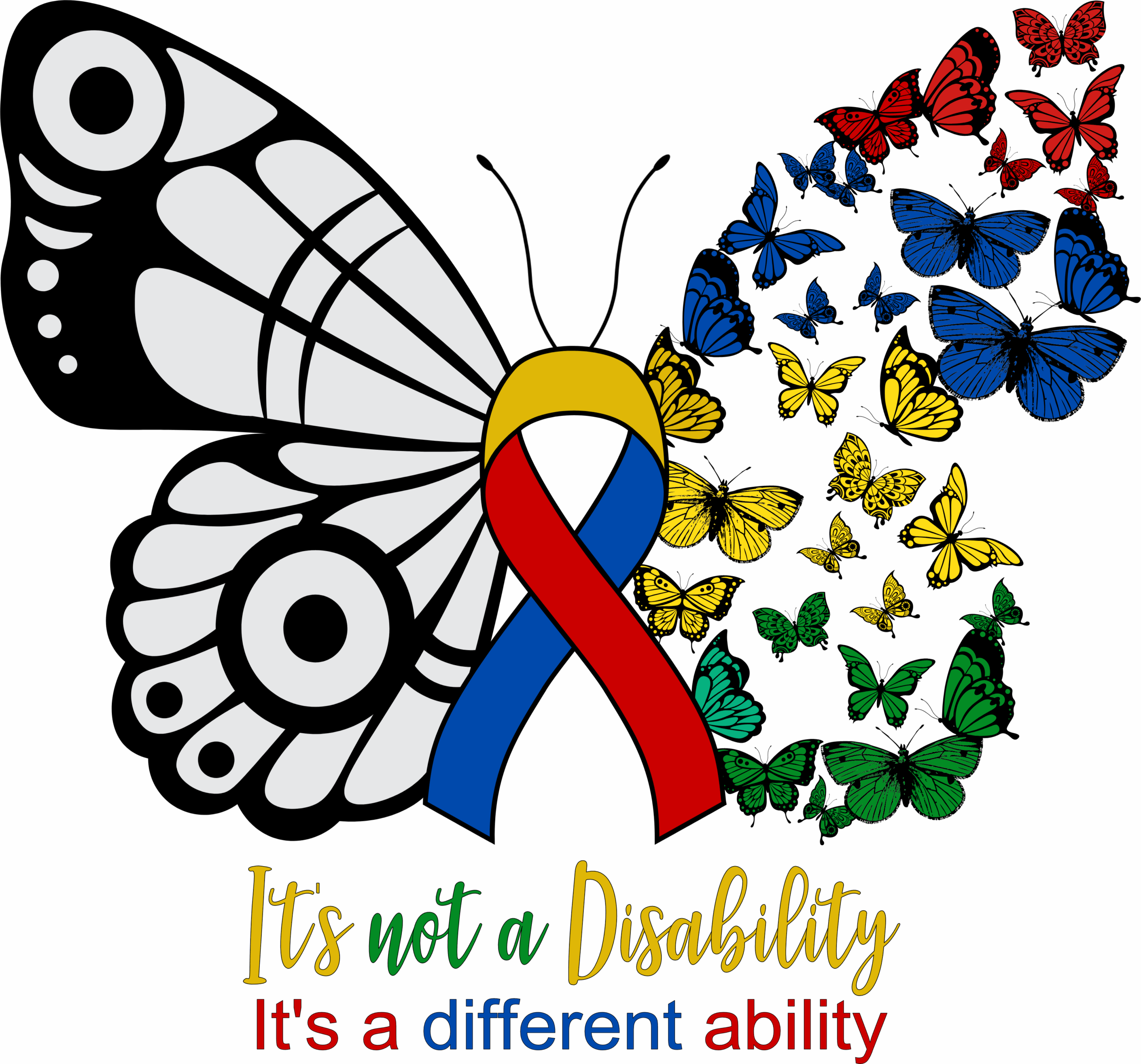
Disability Awareness Month: Supporting Students With Disabilities in Homeschool
July marks Disability Awareness Month — a celebration of disabled identity and culture and the 1990 passage of the Americans with Disabilities Act. It’s a timely opportunity to spotlight the strengths of students with disabilities and refine teaching practices that let every learner thrive. Celebrating Disability Awareness in the Classroom — and Beyond Disability Awareness Month offers rich material for history, social studies, and language arts. Traditional school settings and homeschool curricula can benefit from activities such as: Reading memoirs by authors with disabilities, such as Demystifying Disability by Emily Ladau Investigating key civil rights milestones, including the Capitol Crawl protest of 1990 Creating art projects...
Tiers Free Academy’s 2025 Rockdale County Graduation
[embed]https://youtu.be/V60xTjjtqCo[/embed] Celebrating Resilience: Tiers Free Academy's 2025 Rockdale County Graduation Empowering Every Learner At Tiers Free Academy, we believe that education should be a sanctuary where every student feels seen, heard, and valued. Our trauma-informed, inclusive approach ensures that learners of all backgrounds receive the support they need to thrive academically and personally. Whether students come from traditional school pushout, mental health challenges, or systemic marginalization, we provide them with a second chance—and a pathway to success. Highlights from the 2025 Graduation Ceremony The 2025 Rockdale County Graduation was a powerful reminder of what’s possible when community and compassion come together. Families, educators, and supporters celebrated the resilience and...

Pride, Persistence, and Possibility: Addressing Educational Exclusion and Dropout Rates Among LGBTQ+ Students
Pride, Persistence, and Possibility: Addressing Educational Exclusion and Dropout Rates Among LGBTQ+ Students Celebrating Pride and Shining a Light on Educational Exclusion June is Pride Month—a time to celebrate the resilience, visibility, and contributions of the LGBTQ+ community. But for many LGBTQ+ students, the journey through the education system is far from affirming. Instead, it’s marked by rejection, invisibility, and marginalization. At The Dr. Annise Mabry Foundation, we’re committed to disrupting these cycles by building trauma-informed, inclusive learning pathways that honor every student’s identity. The Hidden Crisis—LGBTQ+ Dropout Rates and Educational Pushout The statistics are staggering. LGBTQ+ students are significantly more likely to experience bullying, harassment, and exclusionary...
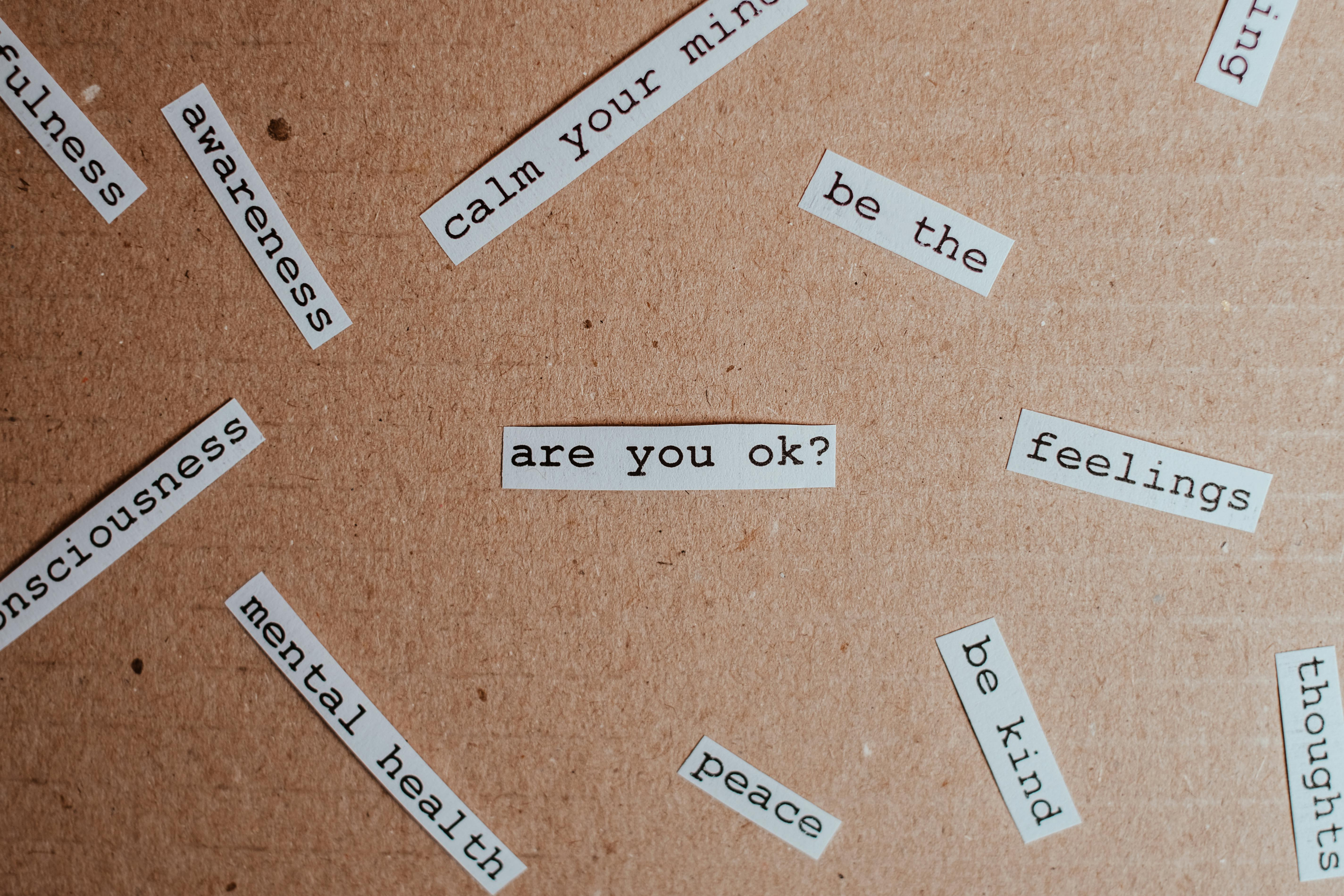
Mental Health Awareness Month: Managing Student Stress and Anxiety
School years should be a time of growth, discovery, and excitement as students get to taste the world and all its possibilities. Yet this time often comes with its share of negative emotions, too. The American Institute of Stress reports that 75% of high school students and 50% of middle school students are consistently stressed by schoolwork, while 70% of U.S. teens (aged 13-17) consider anxiety and depression to be major problems among their peers. Mental Health Awareness Month is the perfect time to highlight student mental health and take a closer look at how these issues affect learners in every corner of the nation....
Improving Student Engagement in Homeschool Environments
Student engagement is at the heart of any successful learning experience, and this holds especially true in homeschool environments. In these settings, parents and guardians play a dual role as educator and facilitator, responsible for fostering a love of learning in their children. When students are engaged, they are more likely to retain information, develop critical thinking skills, and build a foundation of knowledge that will serve them throughout their lives. Sometimes, however, engagement can be challenging to maintain, especially when learning takes place in a home environment with unique distractions and challenges. Fortunately, there are many tactics parents can use to create an engaging,...
Executive Assistant (Hybrid, Georgia) – Nonprofit, Education & Grant Management Role
Executive Assistant (Hybrid, Georgia-Based) – Nonprofit & Education Focus 📍 Location: Rockdale County, GA (Hybrid – Remote & In-Person as Needed)💼 Job Type: 1099 Contract | Executive Assistant | Nonprofit | Education | Remote Work💰 Salary: Competitive, Based on Experience🗓️ Application Deadline: Open Until Filled About The Dr. Annise Mabry Foundation The Dr. Annise Mabry Foundation is a leading Georgia-based nonprofit dedicated to education access, job training, and community empowerment. We specialize in helping at-risk youth and underserved communities through initiatives like: Tiers Free Homeschool Cooperative – A trauma-informed homeschool program for students who struggle in traditional academic settings. Rural Communities Diploma Program – A high school...